
Modern Bahay Kubo Pricing: Designs and Costs in the Philippines

The traditional bahay kubo is a symbol of Filipino culture and sustainable living. Today, this iconic structure has evolved into modern designs that blend tradition with innovation. These modern bahay kubo designs offer practical, eco-friendly, and stylish housing solutions suitable for various needs. In this article, I will explore the latest trends in modern bahay kubo designs, their pricing, customization options, and factors influencing costs in the Philippines.
Understanding Modern Bahay Kubo Pricing
Modern bahay kubo pricing varies depending on size, materials, design complexity, and additional features. Unlike the traditional nipa and bamboo huts, modern versions incorporate durable materials such as steel frames, treated wood, and eco-friendly composites. These upgrades improve longevity and comfort but also affect the overall cost.
Typically, a basic modern bahay kubo starts at around PHP 150,000 for a small unit of 20 to 30 square meters. More elaborate designs with larger floor areas, multiple rooms, and premium finishes can reach PHP 500,000 or more. The price includes construction, materials, and sometimes installation, but it is essential to clarify what is covered with your supplier.
Here are some factors that influence the pricing:
Size and layout: Larger floor plans with multiple rooms cost more.
Materials: Using treated wood, steel, or composite panels increases durability and price.
Design features: Elevated floors, wide eaves, and large windows add to costs.
Sustainability elements: Solar panels, rainwater collection, and insulation raise the price.
Labor and location: Construction costs vary by region and contractor rates.
For those interested in a detailed breakdown, I recommend checking out this modern bahay kubo design price guide for current market rates and options.
Popular Modern Bahay Kubo Designs in the Philippines
Modern bahay kubo designs maintain the essence of the traditional structure but incorporate contemporary elements for better functionality and aesthetics. Here are some popular design styles:
1. Minimalist Modern Kubo
This design focuses on clean lines, open spaces, and minimal ornamentation. It uses natural materials like bamboo and wood combined with concrete or steel for structural support. The minimalist kubo often features large glass windows to maximize natural light and ventilation.
2. Elevated Kubo with Deck
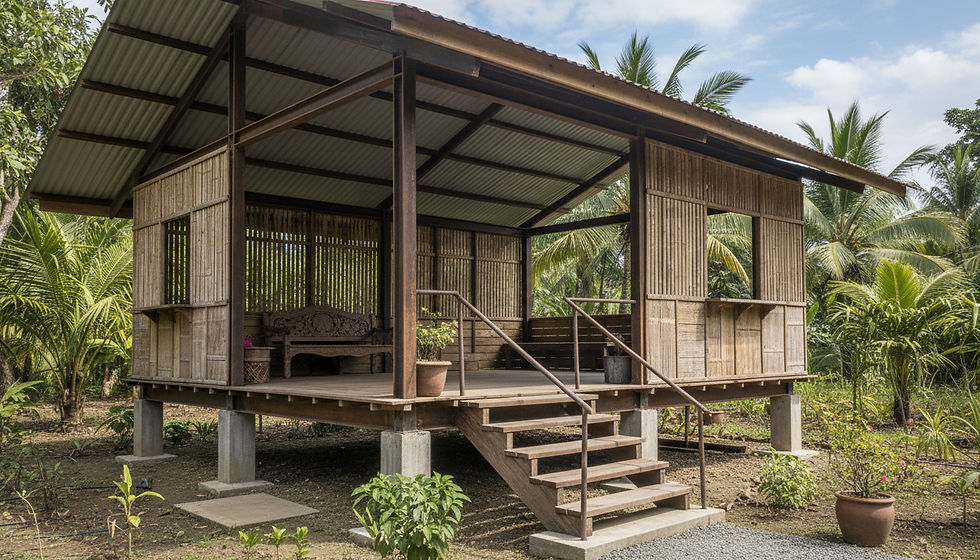
Elevating the bahay kubo on stilts is a traditional practice to protect against flooding and pests. Modern designs enhance this by adding spacious decks or verandas for outdoor living. This style is ideal for tropical climates and offers a seamless indoor-outdoor experience.
3. Modular Prefab Kubo
Prefabricated bahay kubo units are gaining popularity for their quick assembly and cost efficiency. These modular homes are built off-site and transported to the location for installation. They often come with customizable options for size and finishes.
4. Eco-Friendly Kubo
Sustainability is a key feature in modern bahay kubo designs. These homes use renewable materials, solar power, rainwater harvesting, and natural ventilation systems. They are designed to minimize environmental impact while providing comfortable living spaces.
5. Contemporary Fusion Kubo
This design blends traditional bahay kubo elements with modern architecture. It may include concrete walls, metal roofing, and modern fixtures while retaining the iconic pitched roof and open layout. This fusion appeals to those who want a unique and stylish home.

Can You Customize the Design of a Kubo House?
Customization is a significant advantage of modern bahay kubo construction. Unlike mass-produced housing, kubo designs can be tailored to meet specific needs and preferences. Here are some common customization options:
Size and layout: Choose the number of rooms, floor area, and open spaces.
Materials: Select from bamboo, wood, steel, or composite panels based on budget and durability.
Roof style: Traditional nipa roofing or modern metal sheets can be used.
Interior finishes: Flooring, wall treatments, and fixtures can be personalized.
Sustainability features: Add solar panels, rainwater tanks, or insulation.
Outdoor spaces: Include decks, patios, or garden areas.
Working with a reputable builder or prefab supplier allows you to discuss your requirements and receive design proposals. Customization may affect the overall cost, but it ensures the final product fits your lifestyle and site conditions perfectly.
Factors Affecting the Cost of Modern Bahay Kubo
Several factors influence the final cost of a modern bahay kubo. Understanding these can help you plan your budget effectively.
Location and Site Preparation
Building in remote or difficult-to-access areas may increase transportation and labor costs. Site preparation such as leveling, foundation work, and utilities installation also adds to expenses.
Material Quality and Availability
Locally sourced materials tend to be more affordable. Imported or specialty materials increase costs but may offer better durability or aesthetics.
Design Complexity
Simple rectangular designs are cheaper to build than complex shapes with multiple levels or intricate details.
Labor Costs
Skilled labor for modern construction techniques may command higher rates. Prefab options can reduce labor time and cost.
Additional Features
Incorporating modern amenities like air conditioning, plumbing, and electrical systems will increase the budget.
Practical Tips for Choosing Your Modern Bahay Kubo
When selecting a modern bahay kubo design, consider the following practical tips:
Assess your needs: Determine the size and number of rooms based on your family or business requirements.
Set a realistic budget: Include contingency funds for unexpected expenses.
Prioritize sustainability: Choose eco-friendly materials and features to reduce long-term costs.
Check supplier credentials: Work with experienced builders who provide warranties and after-sales support.
Plan for future expansion: Design your kubo to allow easy additions or modifications.
Visit model homes: Seeing completed projects helps visualize the final product.
By following these guidelines, you can make an informed decision that balances cost, quality, and functionality.
Embracing Modern Bahay Kubo Living
Modern bahay kubo designs offer a compelling alternative to conventional housing. They combine cultural heritage with contemporary innovation, providing sustainable, affordable, and attractive homes. Whether for residential or commercial use, these structures adapt well to the Philippine climate and lifestyle.
Investing in a modern bahay kubo means choosing a home that respects the environment and supports local craftsmanship. With flexible designs and competitive pricing, it is an excellent option for those seeking a unique and practical living space.
I encourage you to explore the available designs and consult with trusted providers to find the best fit for your needs. The future of housing in the Philippines is evolving, and modern bahay kubo is at the forefront of this exciting transformation.


Comments